- Diabetes Specialist Clinic in Vadodara & Dahod
- Vadodara +91 78620 40878
- Dahod +91 97240 40879

Gestational Diabetes
Personalized Diabetes Care During Pregnancy
Gestational diabetes requires careful monitoring and management during pregnancy. A personalized care plan can help manage blood glucose while considering the changing nutritional and medical needs during pregnancy.
At Shivaay Clinic, we provide gestational diabetes care in Vadodara and Dahod, with a focus on glucose monitoring, nutrition and lifestyle guidance, treatment planning and appropriate follow-up.
Book a Consultation

Comprehensive Gestational
Diabetes Care
Gestational diabetes mellitus (GDM) is diabetes first recognized during pregnancy. Appropriate screening and management are important parts of pregnancy care. Current ADA guidance recommends screening for GDM at 24–28 weeks of pregnancy when diabetes or high-risk abnormal glucose metabolism has not already been identified earlier.
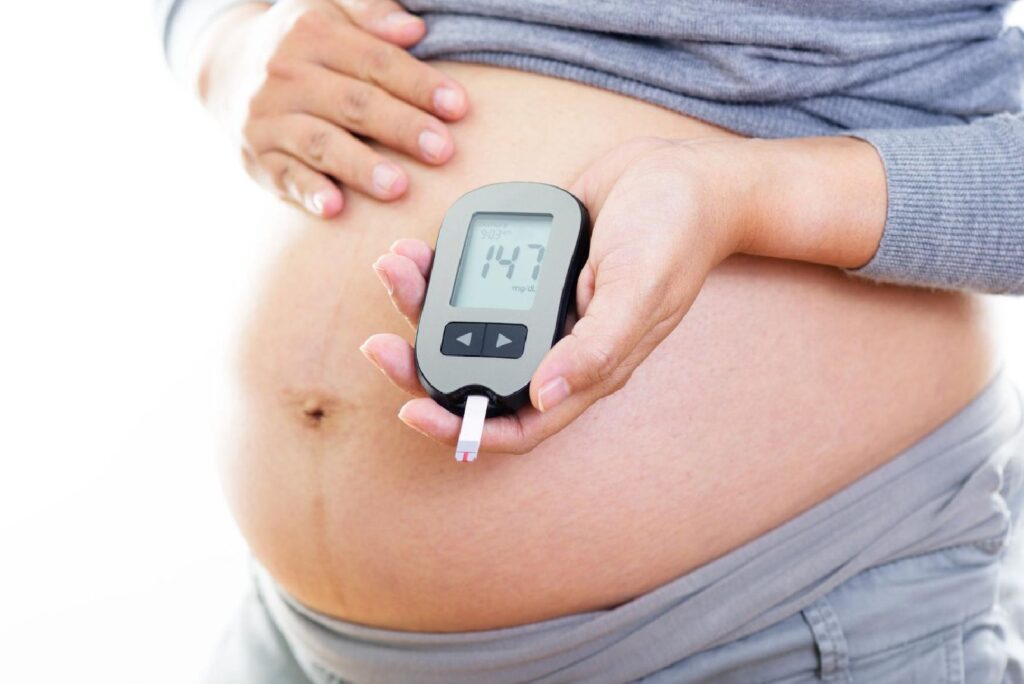
Our Gestational diabetes care include:
- Gestational Diabetes Evaluation
- Blood Glucose Monitoring
- Nutrition & Lifestyle Guidance
- Pregnancy-Specific Glucose Management
- Insulin Initiation & Optimization, when appropriate
- CGM Support, where clinically appropriate
- Glucose Pattern Review
- Postpartum Diabetes Screening
- Long-Term Diabetes Risk Assessment
Gestational Diabetes Evaluation
If blood glucose levels are found to be elevated during pregnancy, appropriate evaluation is important to determine whether gestational diabetes is present.
Depending on the stage of pregnancy and clinical situation, your healthcare provider may recommend appropriate glucose testing.
The ADA recommends GDM screening at 24–28 weeks for pregnant individuals who have not previously been diagnosed with diabetes or high-risk abnormal glucose metabolism earlier in pregnancy.
Blood Glucose Monitoring During Pregnancy
Regular glucose monitoring is an important part of managing diabetes during pregnancy.
Monitoring may include:
- Fasting glucose
- Post-meal glucose
- Pre-meal glucose when required
- Glucose records
- Review of glucose patterns
The monitoring plan is individualized according to the patient’s condition and treatment approach.
The ADA recommends fasting and postprandial glucose monitoring in diabetes during pregnancy to help achieve appropriate glucose targets.
Nutrition & Lifestyle Guidance
Nutrition and lifestyle management are important components of gestational diabetes care.
Guidance may focus on:
- Balanced meal planning
- Appropriate carbohydrate intake
- Meal timing
- Healthy food choices
- Physical activity where medically appropriate
- Weight management according to pregnancy needs
- Monitoring glucose response to meals
Lifestyle and nutrition changes may be sufficient for some people with GDM, while others may require medication to achieve glucose targets.
Insulin Management During Pregnancy
If blood glucose levels cannot be adequately managed with nutrition and lifestyle measures alone, medication may be required.
The 2026 ADA Standards of Care identify insulin as the preferred medication for management of GDM.
Insulin management may include:
- Starting insulin when clinically indicated
- Dose adjustment
- Glucose monitoring
- Understanding insulin timing
- Monitoring for low blood glucose
- Reviewing glucose patterns
Treatment decisions are individualized according to the patient’s pregnancy and medical needs.
CGM & Glucose Pattern Monitoring
Continuous Glucose Monitoring (CGM) can provide additional information about glucose patterns during pregnancy.
Where clinically appropriate, glucose data may be reviewed to understand:
- Fasting glucose patterns
- Post-meal changes
- Overnight glucose
- High glucose episodes
- Low glucose episodes
- Time in Range
The ADA notes that CGM can help achieve glycemic goals in pregnancy and recommends CGM for pregnant individuals with Type 1 diabetes; its use in other types of diabetes during pregnancy may be beneficial in selected situations.
Managing Glucose Levels During Pregnancy
Glucose targets during pregnancy can differ from targets used outside pregnancy.
For GDM, the ADA’s 2026 guidance lists commonly used goals of:
- Fasting: <95 mg/dL
- 1-hour after meal: <140 mg/dL
- 2-hours after meal: <120 mg/dL
These are clinical targets and should be interpreted and individualized by the treating healthcare professional.
Gestational Diabetes & Pregnancy Follow-Up
Gestational diabetes requires follow-up throughout pregnancy.
Depending on the individual’s condition, follow-up may involve:
- Reviewing glucose records
- Assessing treatment response
- Adjusting management when required
- Monitoring for hypoglycemia
- Reviewing nutrition and lifestyle
- Coordinating care with the pregnancy care team
Pregnancy-related diabetes care may involve a multidisciplinary approach when clinically required.
Postpartum Diabetes Screening
Gestational diabetes does not necessarily end with delivery.
The ADA recommends screening people who have had GDM for diabetes or prediabetes 4–12 weeks after delivery, using a 75-g oral glucose tolerance test where appropriate. It also recommends ongoing screening every 1–3 years after a history of GDM.
Postpartum care may therefore include:
- Postpartum glucose testing
- Diabetes risk assessment
- Lifestyle guidance
- Weight management
- Long-term diabetes prevention planning
Who Can Benefit From
Gestational Diabetes Care?
Gestational diabetes care may be appropriate for pregnant women who:

- Have been diagnosed with gestational diabetes
- Have elevated glucose levels during pregnancy
- Have been advised to monitor blood glucose
- Need help understanding glucose readings
- Need nutrition and lifestyle guidance
- Require insulin management during pregnancy
- Have difficulty maintaining recommended glucose levels
- Have a previous history of gestational diabetes
- Need postpartum diabetes screening after GDM
Frequently Asked Questions
What is gestational diabetes?
Gestational diabetes mellitus is diabetes that is diagnosed during pregnancy. It requires appropriate monitoring and management during pregnancy and follow-up after delivery.
When is gestational diabetes usually screened?
The ADA recommends screening for GDM at 24–28 weeks of gestation in people who have not previously been diagnosed with diabetes or high-risk abnormal glucose metabolism earlier in pregnancy.
Can gestational diabetes be managed without insulin?
For some people, nutrition, lifestyle changes and glucose monitoring may be sufficient. If glucose targets are not achieved, medication may be required. The ADA identifies insulin as the preferred medication for GDM management.
Do I need to monitor my blood glucose during pregnancy?
Blood glucose monitoring is an important part of diabetes management during pregnancy. The frequency and method depend on your individual treatment plan.
Can CGM be used during pregnancy?
CGM can be useful in selected pregnancies. The ADA recommends CGM for pregnant individuals with Type 1 diabetes and notes potential benefit in other types of diabetes during pregnancy.
What happens after gestational diabetes?
People who have had GDM should undergo postpartum diabetes testing and continue periodic screening because their future risk of prediabetes and Type 2 diabetes is increased.
Is Gestational Diabetes Care available in Vadodara and Dahod?
Yes. Shivaay Clinic provides gestational diabetes care in both Vadodara and Dahod.